
When I was researching this topic, something interesting stood out to me.
Many companies seem to have their own ideas on what outreach marketing is.
Some, for example, mentioned that it’s reaching out to influencers or thought leaders, while others mentioned that it’s simply doing what’s needed to get your company’s name in front of your ideal buyers.
With over a decade of experience in lead generation, I can tell you that outreach marketing is a little different from cold outreach or lead generation.
Why?
Because outreach marketing’s goal is not to land sales wins (just yet) for your company, but rather marketing wins.
For example, let’s say you have some SEO goals that you want to improve on; You could do marketing outreach to the content owners of relevant websites to get your site featured on their site.
This, in turn, will bring in more traffic and conversions, which equals a marketing win.
If you’re interested in learning more, keep reading.
This article will share what outreach marketing is, why it’s important, and some strategies you can use to get your business in front of your ideal target audience.
(If you need help with LinkedIn outreach, hop on a free 15-minute strategy session with the CEO of SalesBread, Jack Reamer. SalesBread clients know that they can expect 1 lead per day with our ultra-personalized LinkedIn outreach and targeted list building.)
What is outreach marketing?
Outreach marketing is simple: it’s how you start the right conversations with the right people, instead of waiting and hoping they’ll find you.
Think of it as proactive marketing.
You’re not just spending a ton on ads or hoping someone stumbles across your website.
You’re identifying your ideal prospects, reaching out to them directly, and showing them how your solution solves a real problem they care about.
Whether it’s through:
-
A personalized LinkedIn message that sparks genuine interest,
-
A smart email that gets a reply
-
Sharing a piece of content that positions your business as the go-to expert
…outreach marketing builds trust first and then brings in leads second.
Done right, it’s not just about lead generation; it’s about getting your brand in front of the right people, starting conversations and relationships, and this, in turn, will lead to revenue down the line.
Here’s an example: perhaps you want to reach out to popular podcasts in your industry, and you reach out to a handful of relevant podcast hosts, pitching to get yourself featured.
This is marketing outreach done right, where this could get you in front of potential buyers.
And notice, it’s not necessarily a queue of demos and sales calls, but rather to get exposure that will then lead to demos and sales calls.
Pro Tip: Reach out to your prospects where you know they spend most of their time. For example, if you know most of your ideal customers are on LinkedIn, reach out to them there, or if they are more creative, you might find them on Instagram.
What are the benefits of outreach marketing
It’s simple to implement
You don’t need tons of expensive software or a 10-person marketing team to start outreach marketing.
All you need is a clear idea of whom you want to reach, a bit of research, and a message that’s personalized and resonates with your audience.
It’s a strategy you can build rather quickly, whether you’re sending LinkedIn messages, cold emails, or sharing content with people who actually care.
It has a personalized feel to it
Many salespeople or individuals get this part wrong.
They write messages that sound generic or use ChatGPT to spin up some copy.
But if you want this to work, it’s a good idea to actually research the people on your list and find something specific to mention about them in your outreach message.
For example, if you listened to their podcast, mention something that resonated with you; Or perhaps you notice that they recently received an award, you could always congratulate them on it.
When you do this, it sets you apart from every other marketer out there and makes the reader take note.
This article: How to Master The Art Of Personalized LinkedIn Outreach goes into more detail on how to write personalized outreach messages.
You can see results quickly
At SalesBread, our clients see their first reply within 48 hours after campaign launch. The reason?
If your prospect list is 99% accurate and your messaging is personalized, people will reply.
See what one client had to say; Notice how he got high-quality leads daily in his pipeline from LinkedIn outreach.
Jack and SalesBread did exactly what they said they would do. High quality leads showed up every day in our sales workflow. I definitely recommend them for anyone that has a target market inside LinkedIn.
Outreach gets much faster results compared to, let’s say, SEO. At SalesBread, we invested in SEO a few years ago, and it took a while before consistent results came through. On average, SEO takes 3-6 months to see results.
Whereas with outreach marketing, you could see your first result come through within 48 hours.
You boost brand visibility without paying for ads
Let’s face it, ads can be costly, and we have heard some horror stories of clients who had spent $10 000 on LinkedIn ads and didn’t even receive 1 lead. It’s not to say that ads don’t work…
They can work to warm up your audience, and then once you send them an outreach message, they already have an idea of who you are.
You can track results easily
Whether you decide to use email or LinkedIn outreach, it’s easy to track lead generation metrics, like open rates, bounce rates, or positive reply rates.
You could either keep track of your LinkedIn results in a spreadsheet or use email marketing tools to track your open and bounce rates.
A simple outreach marketing strategy

The outreach marketing process isn’t too complicated, but you have to make sure that you’re reaching out to your ideal target audience.
Step 1: Define your ICP
Your ICP should go beyond just job titles and first names. Sure, “Marketing Director” or “Startup Founder” is a start, but dig deeper.
Ask questions like:
- What size company do they work for?
- What challenges are they facing right now?
- What tools do they already use?
- Where do they hang out online?
The clearer your picture, the easier it becomes to find and personalize your outreach.
Here’s a quick example:
Let’s say your goal is to build relationships with LinkedIn influencers who work with B2B SaaS brands because you want to collaborate, get content shared, or open doors to their networks.
Here’s what that process might look like:
1. Go to LinkedIn’s search bar and type: “B2B marketing” + “creator” or “LinkedIn Top Voice SaaS”.
2. Filter by Location (for example, “United States” or “Europe”) and Industry (like “Software Development” or “Marketing & Advertising”).
3. Scan profiles for people who:
- Regularly post about topics related to your niche.
- Have solid engagement (not just followers).
- Have audiences that match your target market.
This will help you create a shortlist.
Next, add these profiles to a simple spreadsheet or CRM. Include their name, title, company, LinkedIn URL, and any notes about their recent posts or interests.
(That’s the kind of context you’ll use later to craft outreach messages that don’t sound copy-pasted.)
You don’t just have to use LinkedIn Sales Navigator to build a list. There are many data providers that you can use for list building.
Here are some examples:
Where to find attributes for a hot list of prospects
- Company size: LinkedIn, Wellfound.com, Crunchbase
- Company revenue: LinkedIn
- Office location: LinkedIn, Google Maps, Yelp, Foursquare
- The same CEO for 5 years in a row: LinkedIn.
- Technology used: BuiltWith , Datanyze , NerdyData , LinkedIn Sales Navigator
- Website is not optimized for mobile ( NerdyData )
- More than $30k/month spent on ads: SpyFu.com
- Twitter followers: FollowerWonk
- Monthly visits: Alexa, SEMRush
- Webinar attendees: just join one in the middle and see the number of people showing up
- Podcast downloads: iTunes, iTunescharts.net
Where to find “events” for a hot list of prospects
- Raised money: Wellfound.com, Crunchbase
- Acquired: TechCrunch, Wellfound.com
- Hiring: Indeed.com
- Nominated or won an award: Google Alerts, industry website/directory, company website
- PR disaster: Google alert for keywords (“Company” AND “Disaster”) OR (“Customer” AND “Outraged”)
- Just started a new ad campaign: SpyFu.com
- Just hired a new role: LinkedIn Sales Navigator, company website
- Entered a new market (know they don’t know everything): SpyFu.com, LinkedIn News, TechCrunch, Google Alert (“Enters New Market”)
- Holidays (4th July, Anzac Day), Google Calendar
- Seasons – winter/summer: Google Calendar (for cyclical sales events)
- Company anniversary: LinkedIn, Who. is to see when the website domain was 1st acquired
- Featured on Product Hunt: Product Hunt
- Just got a really bad employee rating: glassdoor.com
Step 2: Find the right people to reach out to on the right platform
Remember to reach out to prospects where they spend most of their time. Like we mentioned before, if your ICP are mainly in the B2B space, reach out to them on LinkedIn or through email.
Some prospects might spend most of their time on Instagram. If that’s the case, reach out to them there.
Using LinkedIn Sales Navigator

Once you have a list of target accounts, you can then find the right people to reach out to on LinkedIn or find their email addresses.
You can simply plug your list into LinkedIn Sales Navigator and enter your filters, like industry, company headcount, seniority, title, or geography.
Sales Navigator searches the entire LinkedIn database for every profile that matches those parameters.
But just double-check the data, as LinkedIn Sales Navigator can bring up incorrect data.
This article shares some hacks on how to use Sales Navigator the right way.
How to Find Email Addresses (Without Being Spammy)
Sometimes you’ll want to take your outreach beyond LinkedIn, especially if you’re running multi-channel campaigns or your prospects prefer email.
Here’s how to find verified email addresses:
1. Use a Prospecting Tool
Tools like Hunter.io, Apollo.io, or Uplead make it easy to find and verify business emails based on name and company.
You just upload your LinkedIn list or search by company + job title, and then it spits out a list of verified email addresses ready for outreach.
Pro Tip: Always Verify Before You Send
Remember to use verification tools before you send your emails. You don’t want your emails to end up in spam, so try using tools like NeverBounce or Quickmail, before launching your campaign.
Step 3: Send your outreach message
When you send your outreach message, remember to be very transparent. Yes, use personalization, but be honest about why you are reaching out.
If you want referrals, say you want referrals. If you want links for SEO, say you want links.
Obviously, make your message relevant and explain why it’s in their best interests. You don’t want to start any of this seeming like you’re being shifty.
Be transparent about your ask, but also be transparent about what’s in it for them. People are usually open to helping, especially when there’s a chance for mutual value.
Here’s an example of a personalized approach, but still direct
Hey {{Name}},
I came across your article on {{specific topic}}, really enjoyed your take on {{short insight, e.g., “how B2B brands can build trust without heavy ad spend”}}.
I’m reaching out because I recently published a piece on {{related topic}} that could be a useful reference for your readers, especially since you covered {{specific angle}} in your post.
Here’s the link: [URL]
If you think it adds value, I’d love for you to consider linking to it (or happy to swap a backlink from one of our high-authority pieces).
Either way, great work on your content. I can see why it’s getting traction.
{{Your Name}}
Outreach message writing tips
-
Lead with relevance – Start with why you’re reaching out and why it matters to them.
-
Prove you’ve done your homework – Mention something specific about the person. Whether it’s an article they wrote or a podcast they were on.
-
Keep it short and skimmable – Aim for 3 short sentences. You don’t need to send an essay.
-
Sound human – Write how you’d talk. You don’t need to be super formal.
-
Offer value first – Share something useful before asking for anything (a resource, idea, or intro).
-
End with a CTA – Make your ask small and easy to say yes to.
Short CTA ideas:
-
“Worth a quick look?”
-
“Want me to send it over?”
-
“Would you be open to a 5-min chat?”
-
“Curious to hear your take?”
-
“Should I share more details?”
Step 4: Follow up
When it comes to follow-ups, timing is everything. Too soon, and you sound desperate. Too late, and they’ve forgotten who you are.
A good rule of thumb? Use the Fibonacci sequence: 1, 2, 3, 5, 8…
That means spacing out your messages progressively:
-
1 day after your first message (if it’s time-sensitive)
-
then 2 days later,
-
then 3,
-
then 5,
-
then 8 and so on, if needed.
This pattern keeps your outreach natural and not robotic.
Each follow-up should add something new (a resource, insight, or context), not just “checking in.”
Here’s an example:
Hey [Name],
Just popping back in with something you might like, that [topic] article I shared fits neatly with your section on [specific angle].
I’d be happy to include one of your resources in our upcoming post, too.
Sound fair?
[Your Name]
Other outreach marketing tactics to consider
Outreach marketing isn’t limited to just LinkedIn outreach and cold email.
When done right, it can help with your online presence, strengthen your brand awareness, and drive business growth across multiple platforms.
Here are some more strategies below:
Use Social Media to Build Credibility and your network
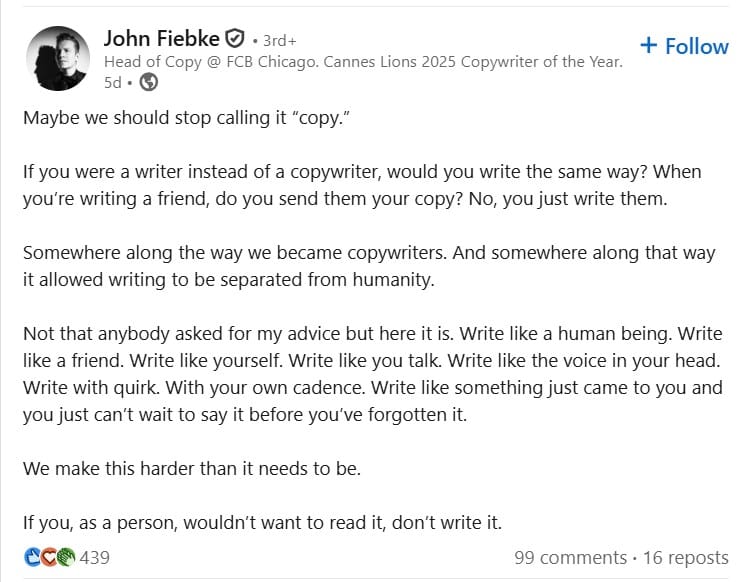
Social media platforms like LinkedIn, Instagram, and X are great places to find prospects and engage your target clients.
By commenting on posts, sharing valuable content, and joining discussions, you’re not just boosting your visibility, but you’re also creating a community that knows, likes, and trusts your brand.
Guest Posting and Content Collaborations
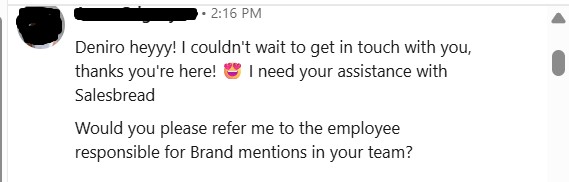
Publishing content on relevant sites or writing guest articles for a niche blog is one of the oldest (and still most effective) outreach tactics.
It builds backlinks, drives traffic, and positions your business as an expert voice.
For digital marketing pros or local businesses wanting to improve credibility, this strategy can also complement your SEO strategy, helping your brand stay visible in more than one channel.
Podcast Guesting and Influencer Marketing
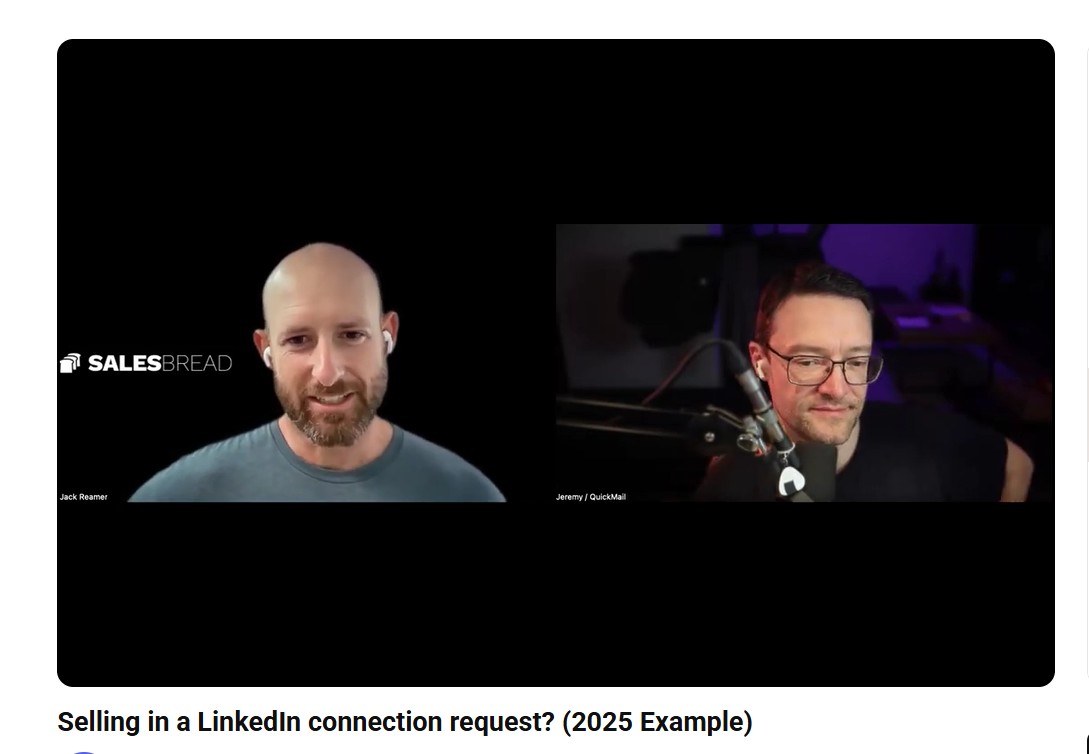
Becoming a podcast guest or collaborating through influencer marketing connects you with new audiences. It’s a chance to share real ideas, insights, and marketing tips that speak to your potential clients.
You could even invite potential clients onto your podcast and interview them.
Podcasts and creator partnerships also humanize your brand, helping you turn conversations into sales in the long run.
Partnership and Referral Campaigns
Jack is very knowledgeable on breaking through the fog and getting the right connections. We were impressed with his promise of 1 lead a day, and they overdid it and generated 88 leads in 7 weeks. Way beyond exceptions I had for a lead generation agency. I would recommend their service to any company that wants to improve the number of qualified sales leads fast.
Partnering with complementary businesses can also help get your brand out there. Think of co-branded marketing campaigns, joint webinars, or cross-promotions.
You can tap into each other’s community, share mutual brand awareness, and often find new revenue streams.
With these kinds of campaigns, you need to come up with a compelling reason for these companies to give you one-off introductions.
Sometimes it might be paid, sometimes it might be a mutual referral relationship, and other times it might be advantageous for the other person to give you a referral because their client can benefit.
Partnership campaigns are great for marketing outreach, and remember, it might not necessarily be to close a deal or book demos, but make the right connections, do the right activities to put you in front of more buyers.
This is a one-to-many approach, where you can find that VIP who can share you with their network.
PR and Journalist Outreach
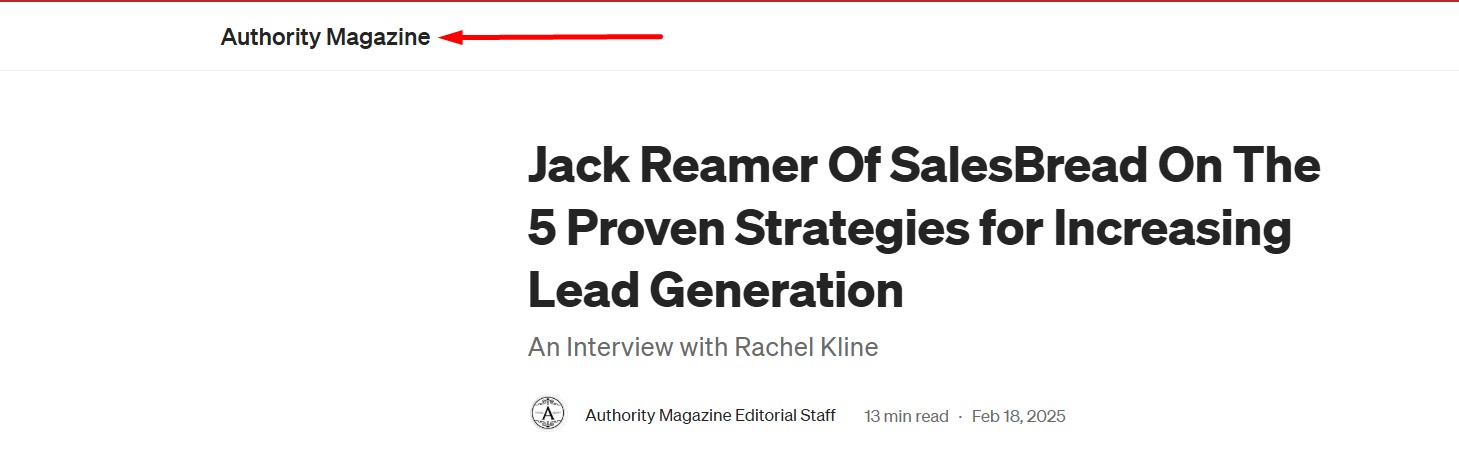
Pitching your business story, research, or case study to journalists is another great outreach strategy.
Appearing in media or online publications not only earns you high-quality backlinks but also builds trust and authority in your space.
This tactic strengthens your online presence while keeping your brand visible in front of the right people.
Community and Group Outreach Opportunities
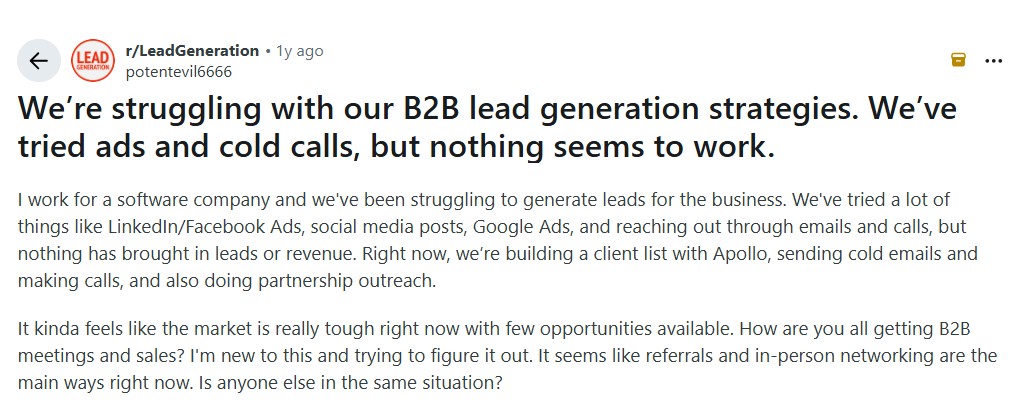
Don’t overlook the smaller corners of the internet, like LinkedIn groups, Reddit communities, or even niche forums. People often find engaging (and genuine) prospects hang out in these micro communities.
Imagine if you, as an expert, replied to the Reddit user’s question above.. Your advice could move them to book a call with you.
When you show up consistently, sharing helpful content, answering questions, or just joining the conversation, people start to notice.
And before long, those small interactions turn into referrals, collaborations, or even new ideas for your next outreach campaign.
Common Mistakes to Avoid with Outreach Marketing
Even the best outreach marketing strategy can flop if you skip the basics. Here are a few common mistakes that can quietly kill your results (and how to avoid them).
Sending generic messages
If your message could be sent to anyone, it’s probably going straight to the trash.
Outreach marketing should be about smaller, relevant lists and not about sending thousands of messages.
Take the time to mention something specific about the person, their company, or their recent work.
Targeting the wrong people
Too many marketers rush into sending messages without double-checking if their list matches their ideal clients.
If your outreach campaign is going to people who don’t have the problem you solve, you’re wasting time and burning your sender reputation.
Build your list carefully and refine it with each campaign; quality beats quantity every time.
Talking about yourself too much
Remember: no one wakes up excited to read about your business goals.
Shift the focus to what’s in it for them.
Explain why your message or content helps them. Whether that’s saving time, improving results, or getting more leads. Outreach works best when it feels mutually beneficial.
Giving up too soon
A single message rarely does the trick. People are busy.
You have to follow up.
A smart outreach strategy includes gentle, value-adding follow-ups spaced out naturally (try the Fibonacci sequence: 1, 2, 3, 5, 8 days apart).
Sounding like a bot
Outreach tools are useful, but over-automation is going to get you nowhere.
People can tell if something was written by AI, or if you’re using automation for your entire process.
Keep your tone conversational, send the kind of message you’d actually like to read.
Forgetting to track and adjust
You can’t improve what you don’t measure.
If you’re not tracking open rates, positive replies, or conversions, you’re just guessing.
Review your outreach data after every campaign, spot what’s working, and refine your messaging and targeting for the next round.
Pro tip:
Outreach marketing isn’t about tricking people into replying; it’s about building trust through small, consistent actions.
Final thoughts
Outreach marketing isn’t too complicated. With consistency, a personalized approach, and a detailed list, you can find potential customers that can lead to sales.
If you would like a more tailored approach, hop on a free 15-minute strategy session with SalesBread below. SalesBread is a B2B LinkedIn lead generation agency that gets our clients one lead per day.
